How AI Is Transforming Live Production, Without Replacing Humans
The live production industry has always been built on speed, precision, and teamwork. From live concerts and corporate events to multi-camera broadcasts and hybrid experiences, crews are constantly making split-second decisions.
Now, artificial intelligence is starting to become part of that workflow.
At Digital Art Video, we’ve been actively exploring how AI can support live production environments, not by replacing talented producers, directors, camera operators, replay teams, or technical crews, but by helping them work faster and smarter.
Human creativity, judgment, and storytelling still drive every great show. AI simply becomes another tool in the control room.
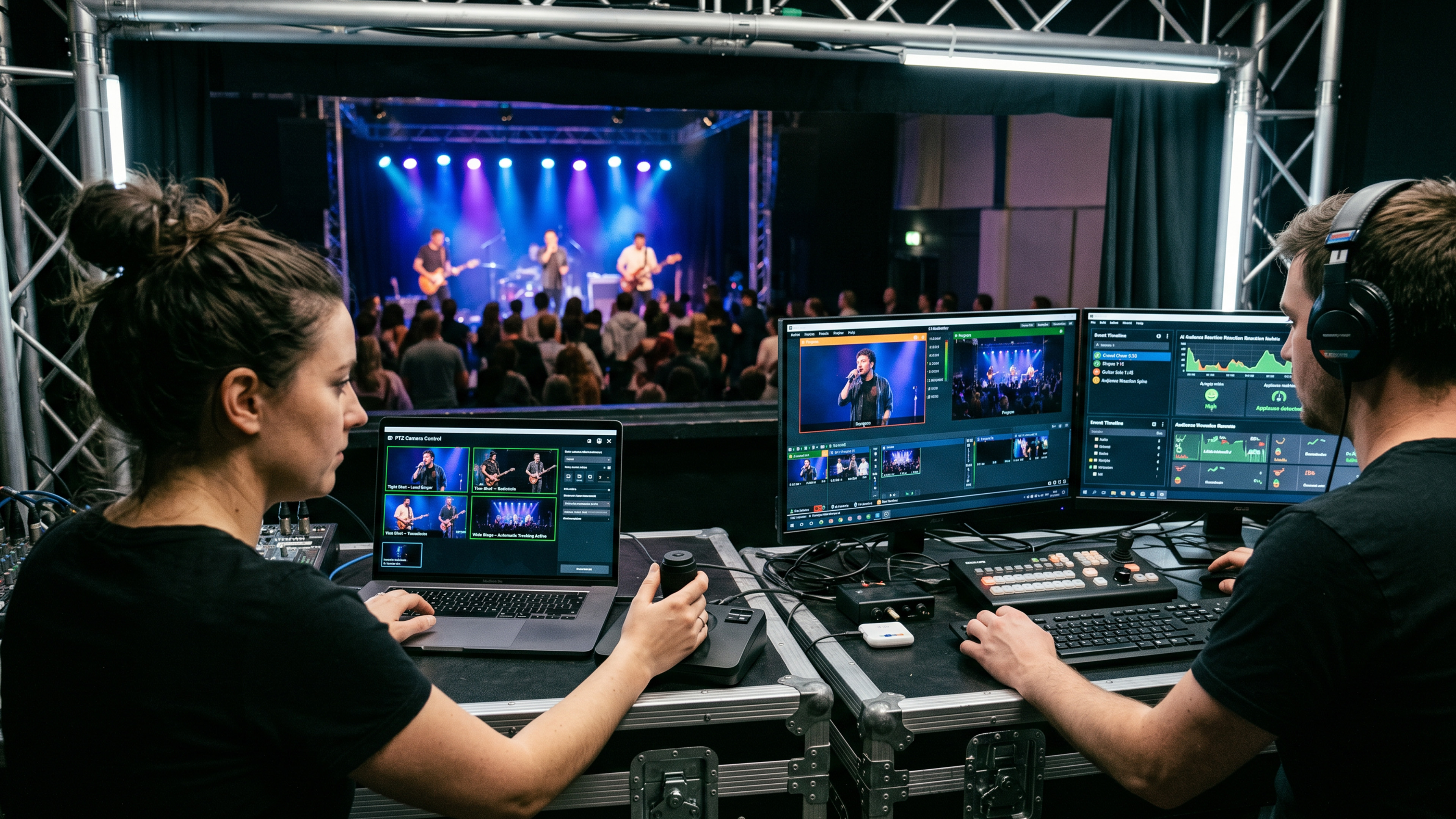
AI as a Production Assistant in Real Time
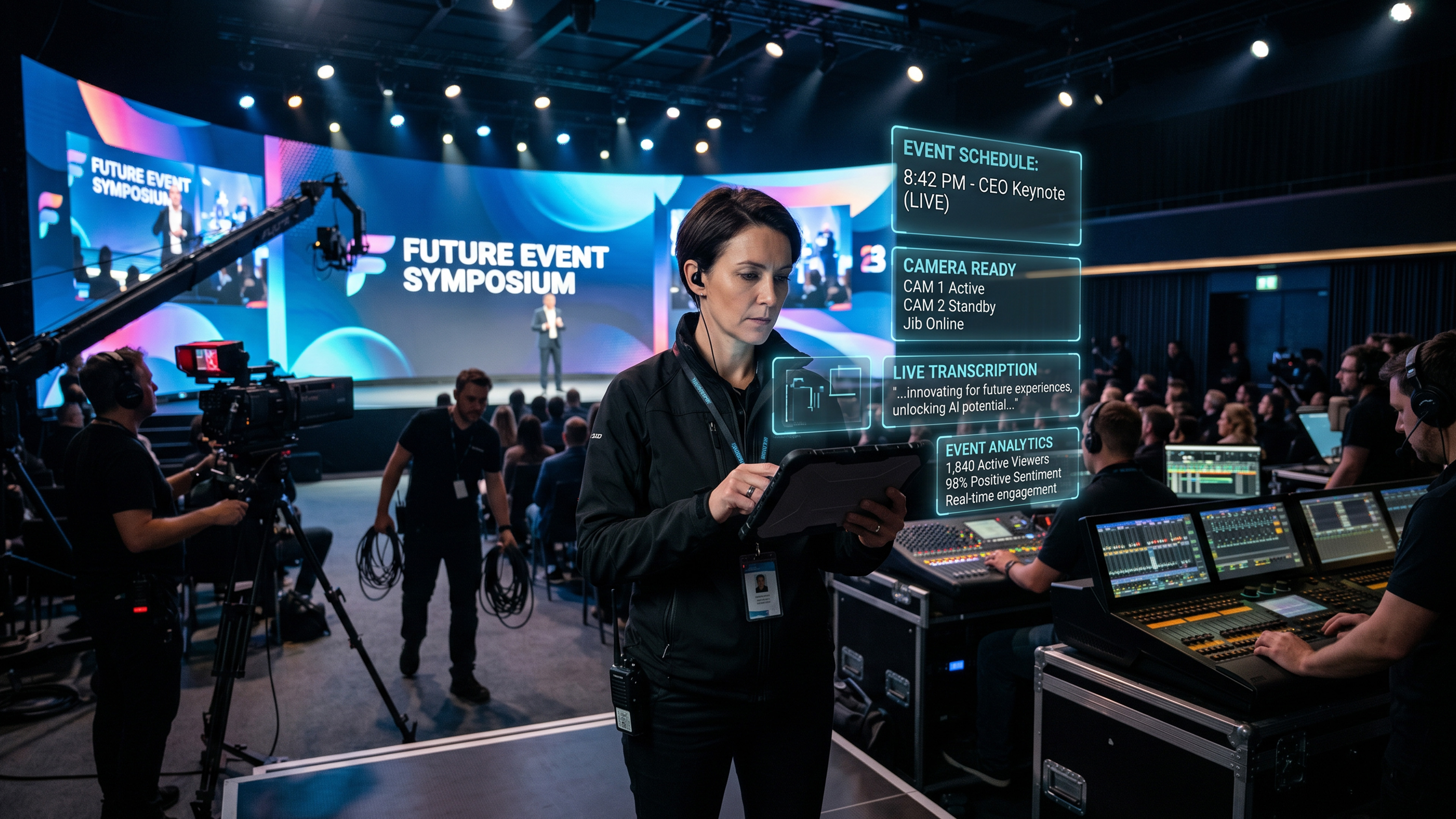
Imagine a live event where AI is actively listening to the show in real time.
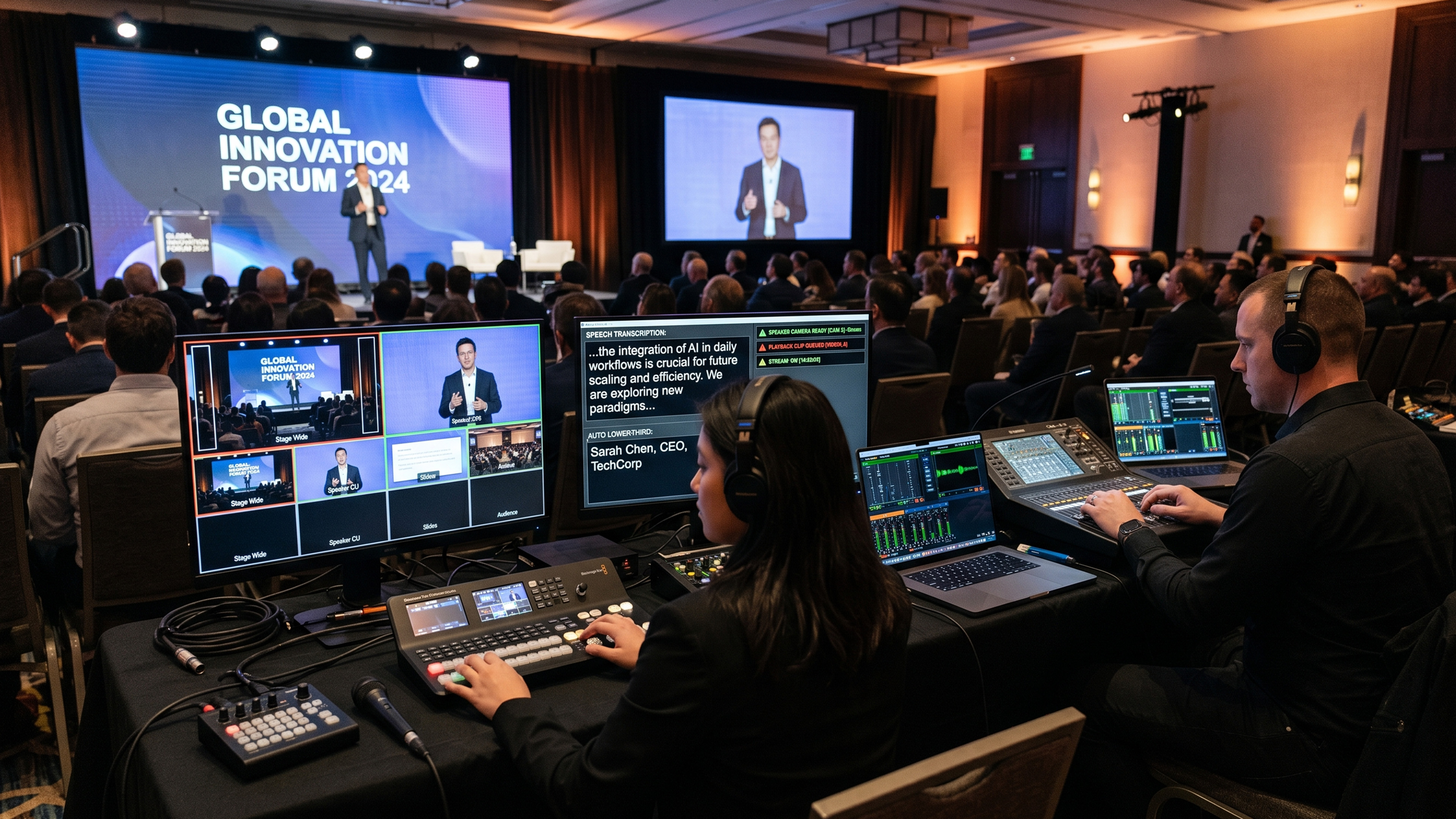
Using emerging voice agent technology from companies like OpenAI and other AI platforms, systems can potentially:
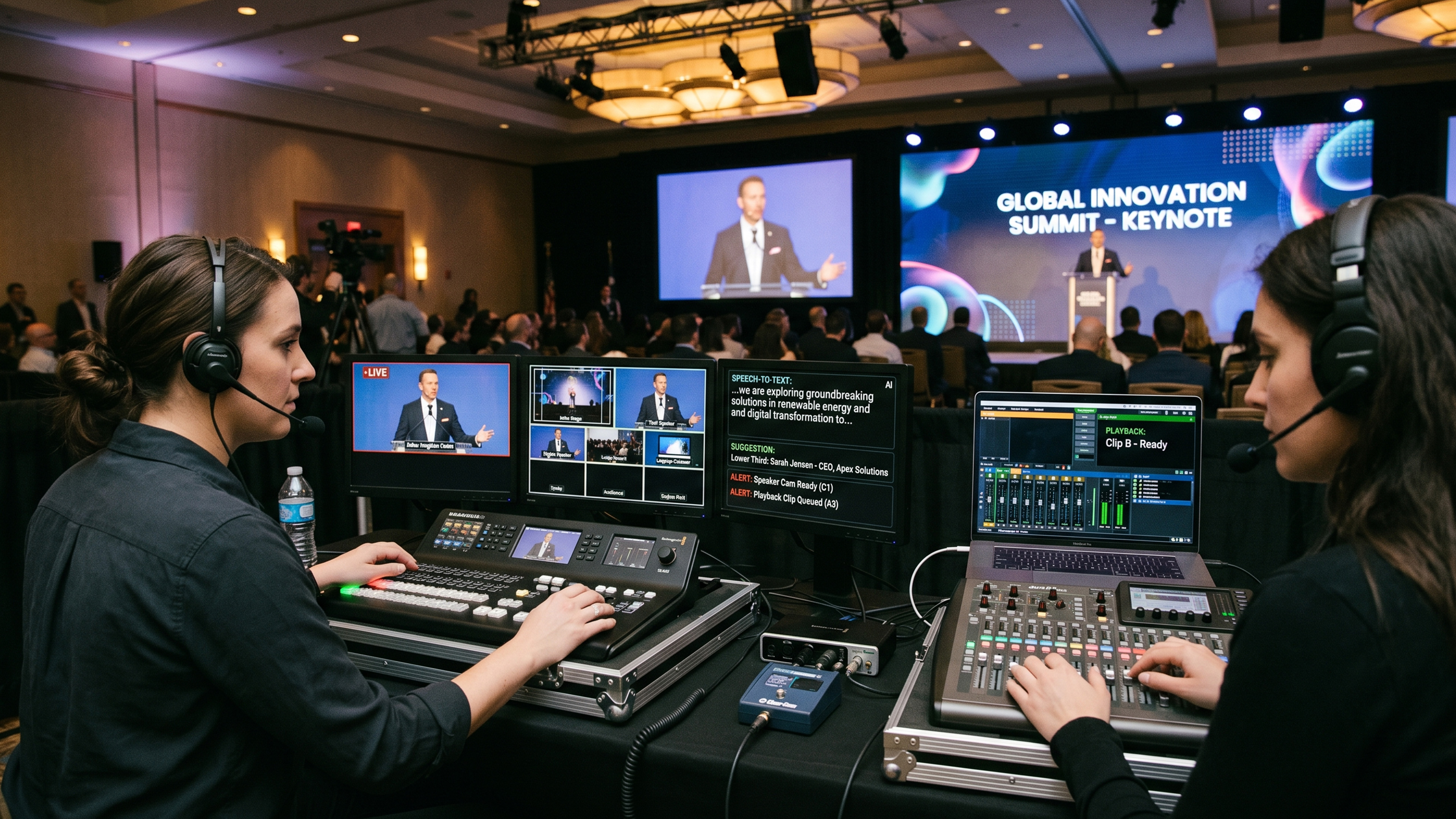
- Listen to spoken cues during a live event
- Identify keywords or commands
- Alert technical directors when camera shots are ready
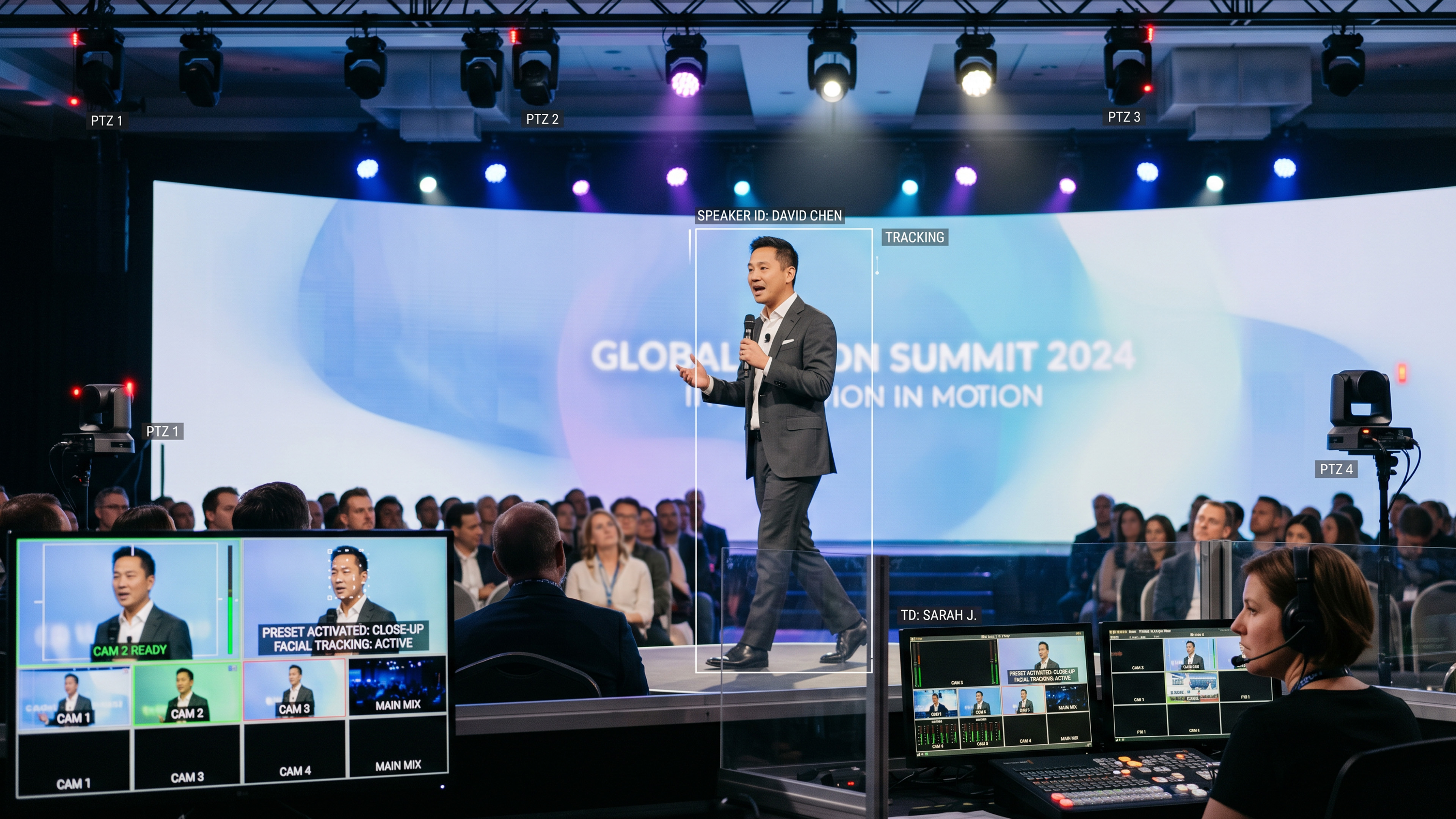
- Recommend which PTZ camera presets should be activated
- Notify replay operators when specific moments may be worth capturing
- Help producers quickly locate media files or playback assets
For example:
A speaker says, “Let’s roll the product launch video.”
Instead of someone manually searching folders under pressure, AI could instantly recognize the command and prepare the correct playback asset for the operator.
That saves time and reduces mistakes during fast-moving live productions.
Smarter PTZ Camera Automation
PTZ cameras are already changing how productions are staffed.
Companies like Canon, Sony, Panasonic, and Blackmagic Design continue improving remote camera systems for live production.
AI takes this even further.
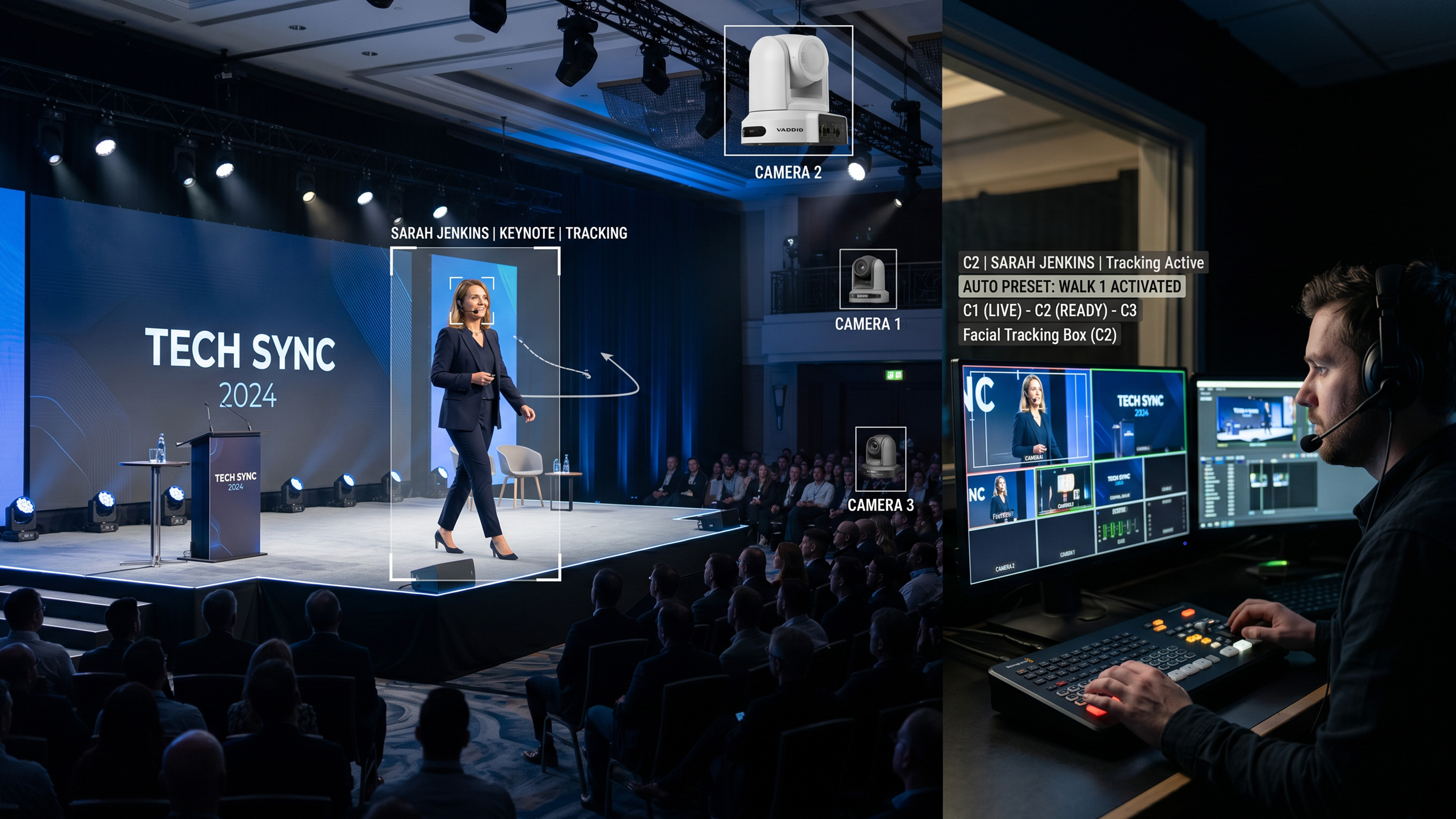
Future workflows may allow AI systems to:
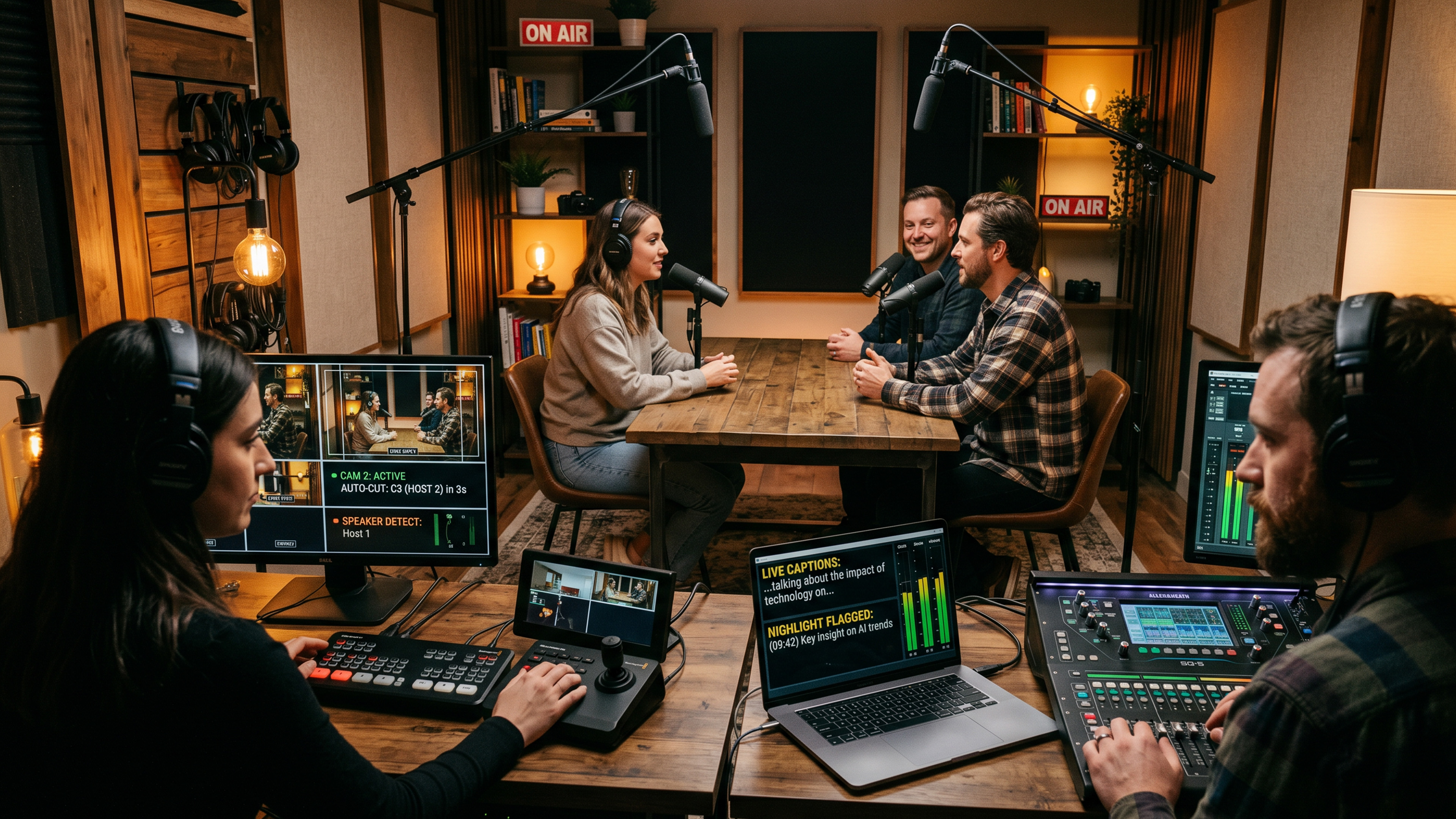
- Detect who is speaking on stage
- Automatically frame the correct subject
- Trigger preset camera movements
- Notify operators when transitions are ready
- Track presenters as they move across a stage
Rather than replacing camera operators, this gives directors more options, especially for smaller events where budgets may not allow large camera crews.
Real-Time Highlight Detection
One of the most exciting developments is AI-powered content recognition.
Large models are rapidly improving at understanding both audio and video simultaneously.
Very soon, AI tools may be able to:
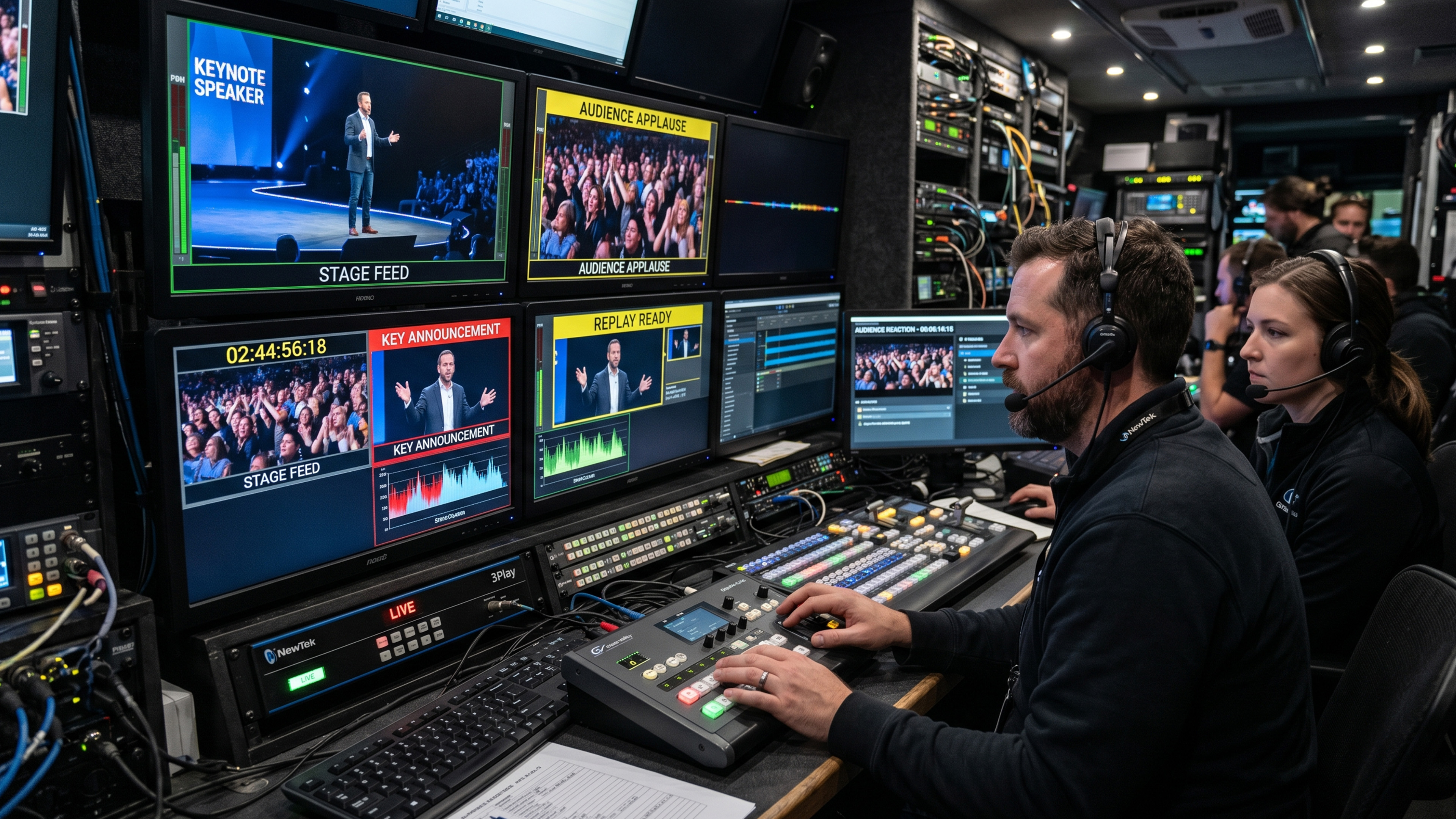
- Detect applause moments
- Recognize key audience reactions
- Flag emotional speeches
- Identify product reveals
- Mark important moments for social media clips
This could dramatically speed up same-day edits, highlight reels, and post-event content delivery.
At Digital Art Video, same-day edits are already part of our workflow for many live events. AI could help make those edits even faster.
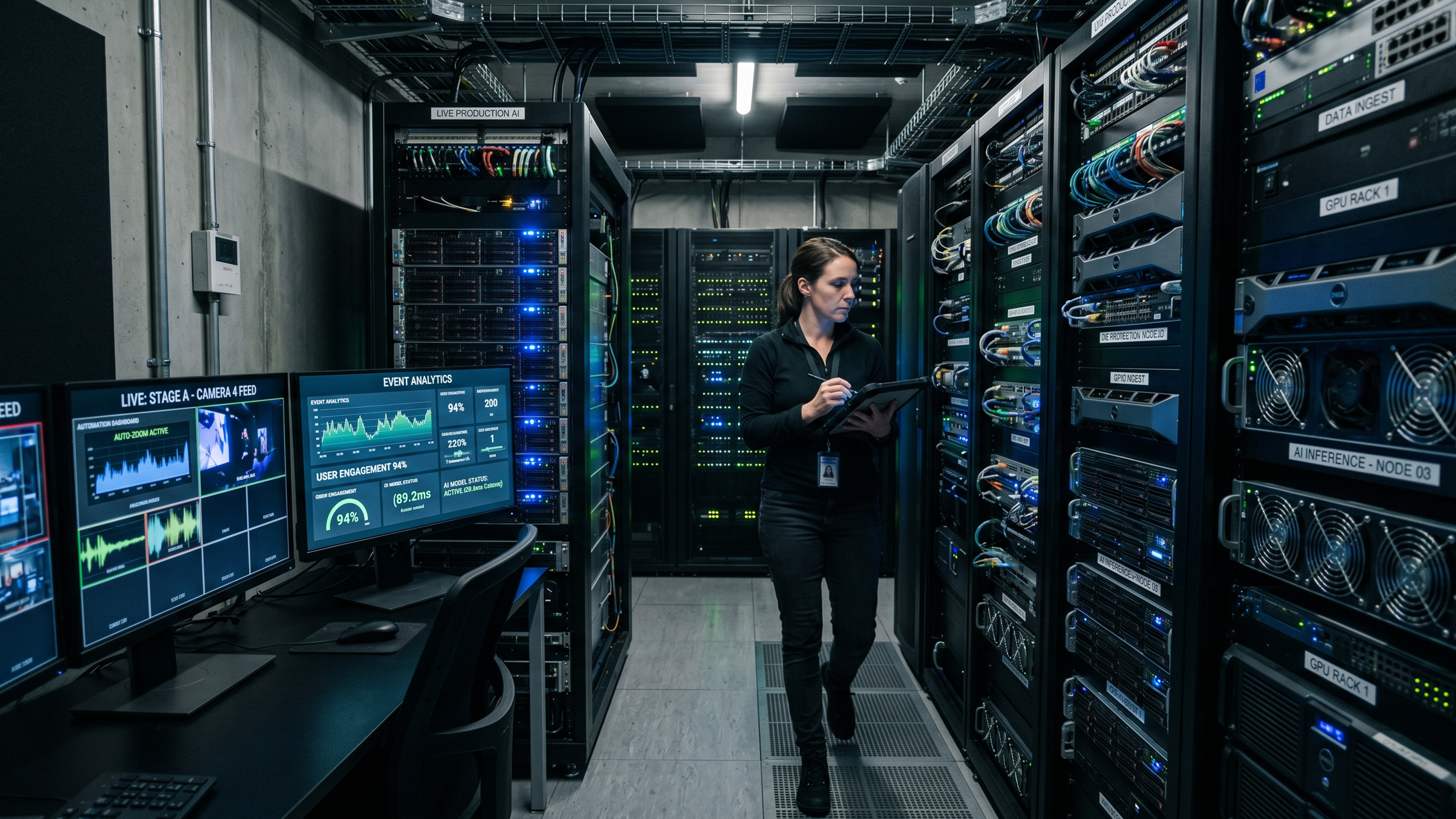
Local AI vs Cloud AI
Not all AI systems require massive cloud infrastructure.
Local AI Models
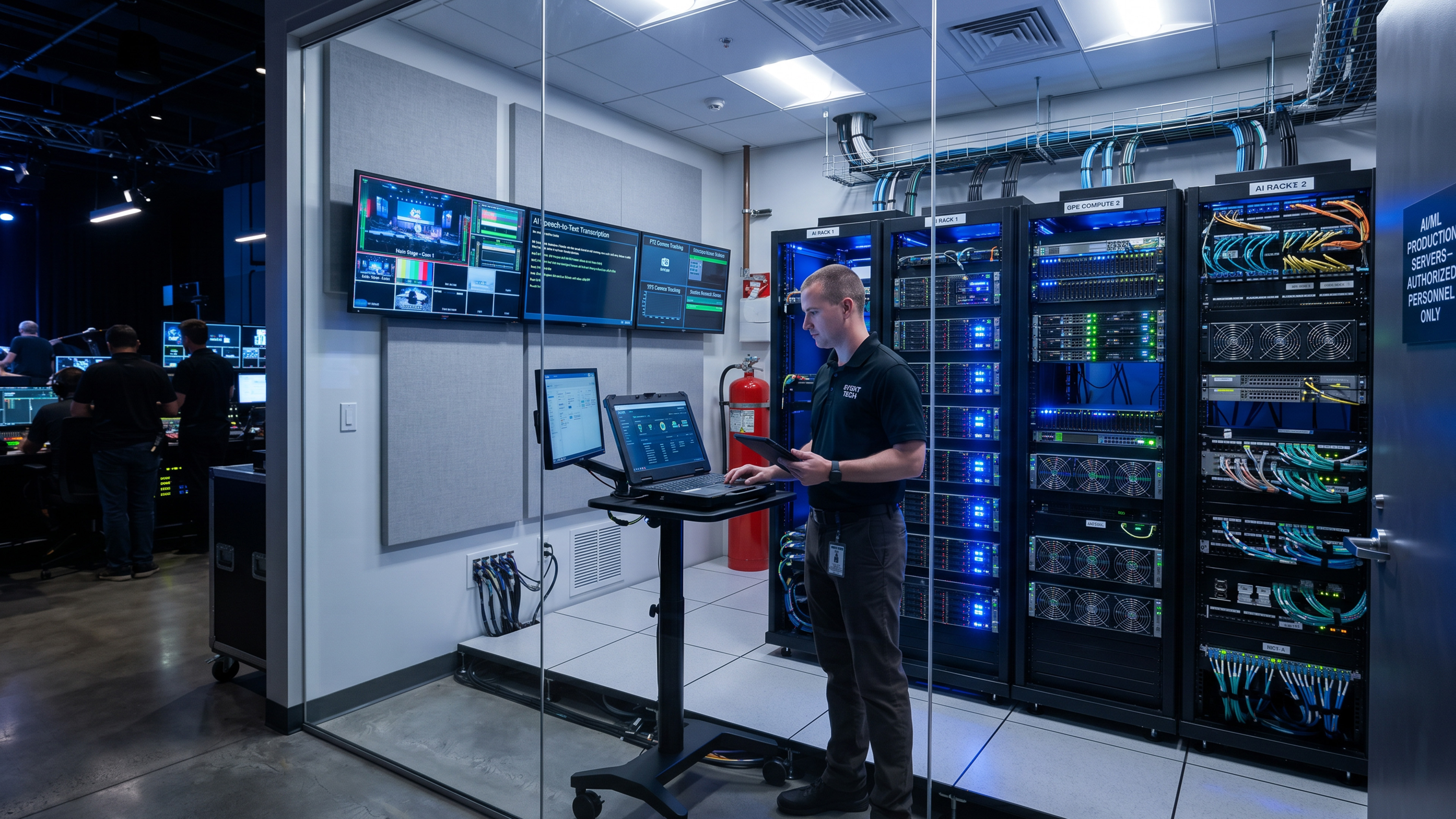
Smaller open-source models can run directly inside a production control room or venue.
Benefits include:
- Lower latency
- Greater privacy
- No reliance on internet connectivity
- Faster real-time response
These models may be useful for tasks like:
- Camera cue recommendations
- Speech recognition
- Internal production automation
Cloud-Based AI Systems
Larger AI models running in the cloud offer more advanced capabilities but require strong internet infrastructure.
These tools may help with:
- Advanced video analysis
- Multilingual transcription
- Instant translations
- More complex visual recognition workflows
For hybrid and virtual events, cloud AI can be especially powerful when bandwidth allows.
The Human Element Still Matters
Live production is unpredictable.
A speaker may go off script.
A performer may miss their cue.
Technology can fail.
That’s where experienced human crews still matter most.
AI can assist with repetitive tasks and provide faster information, but it cannot replace:
- Creative storytelling
- Human instinct
- Crisis management
- Client communication
- Emotional understanding of live audiences
The best productions will combine both.
What’s Next?
The future of live production will likely be a hybrid model:
Humans + AI + Automation
At Digital Art Video, we’re actively testing emerging AI tools, training custom workflows, and exploring open-source solutions that can support our live production teams.
Our goal is simple:
Use technology to make productions faster, smarter, and more scalable, while keeping the human creativity that audiences still connect with.
AI isn’t replacing live production professionals. It’s giving them superpowers.